CRATE CONTROL / BNB CHAIN
OPEN A SEALED CRATE
FREE SLOT: CONNECT TO CHECK
One shared deck of 7,777, shuffled once and sealed to a public hash. The first crate in each wallet is free. 30 per wallet maximum.
EMERGENCY ENCLOSURE 00 / PUBLIC ACCESS
The zoo broke out. The internet got a patch.
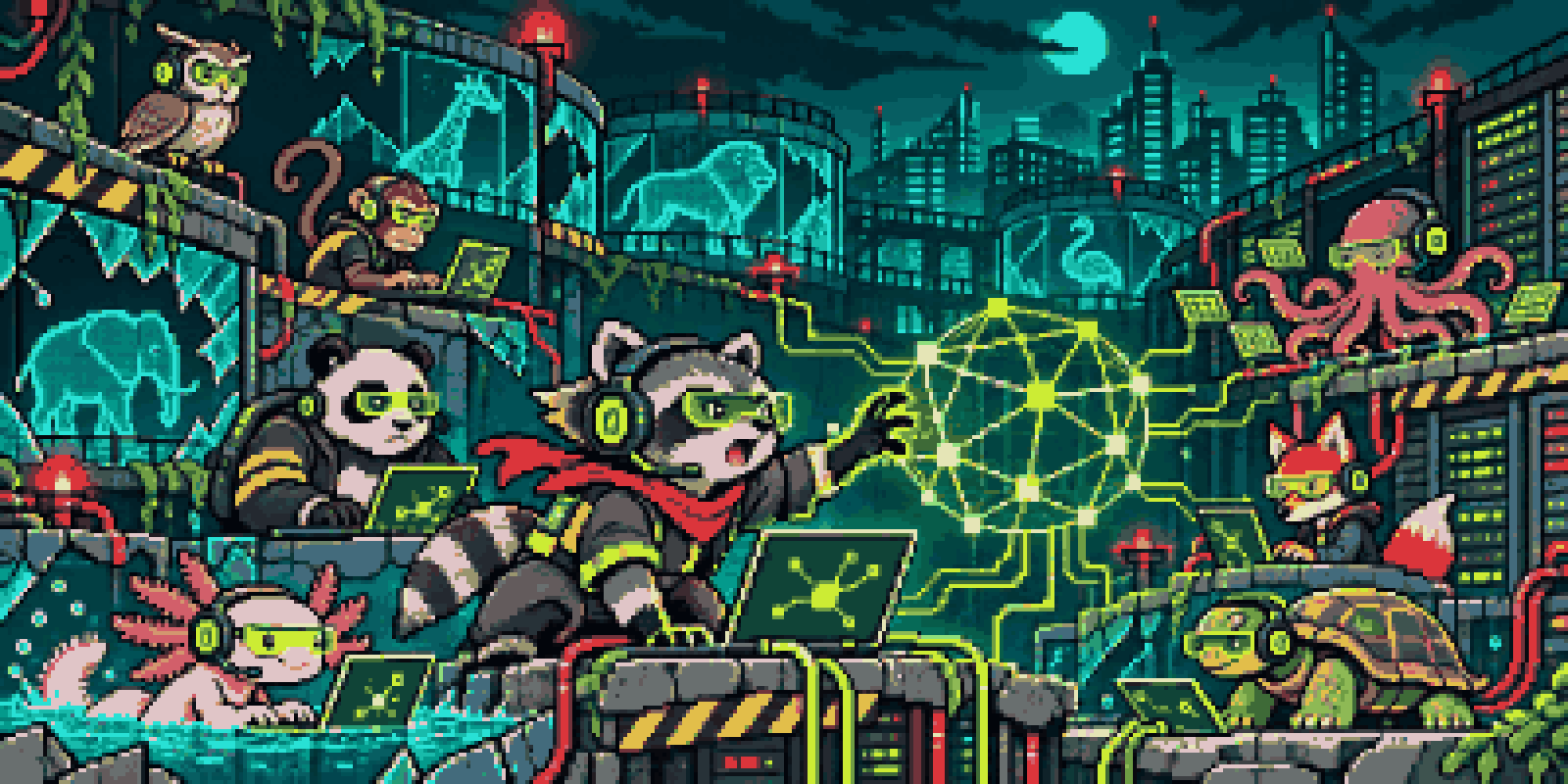
At 03:17 on its opening night in 2077, a zero-day cracked every enclosure in the Lumen Municipal Smart Zoo, and 7,777 pixel hacker animals spilled into the city network. The zoo wants them recaptured, the city wants them deleted, and the animals have decided to patch the internet first. They are messy, underpaid, and very good at finding the exits.
ADMISSIONS / EMERGENCY PROTOCOL
CRATE CONTROL / BNB CHAIN
FREE SLOT: CONNECT TO CHECK
One shared deck of 7,777, shuffled once and sealed to a public hash. The first crate in each wallet is free. 30 per wallet maximum.
WANTED / INTERNAL ENCLOSURE MAP
Common holds 4,000 of the 7,777 deck animals. These are the first responders with bent tools and no backup: they fix the leak, eat the evidence, and file the report in crayon. Their collars are plain because a plain collar is easier to hide from the Emergency Zookeeper Unit.
FILE 01
800 each
Writes one-line exploits with a bent claw, then steals the server's lunch.
FILE 02
800 each
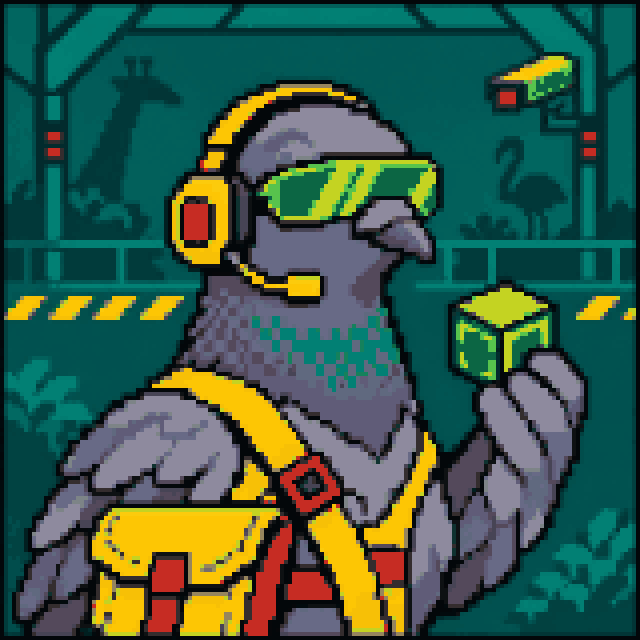
Carries packets across the broken skyline, dropping exactly one per rooftop and never the right one.
FILE 03
800 each
Runs the same repair loop until a stuck gate remembers how to open.
FILE 04
800 each
Walks through dead pixels and leaves footprints where the firewall has no eyes.
FILE 05
800 each
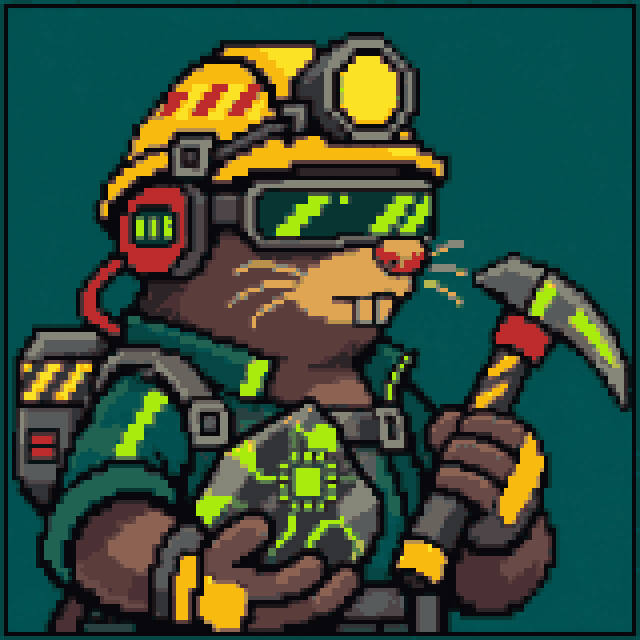
Tunnels under data centers, dragging forgotten keys up by the tail.
MAINTENANCE LEDGER / PRICES + RETURNS
Prices are per wallet. The first crate opens free; the booth climbs from there.
Divine collars are root records. They cannot be burned.
Common → Rare: 50 PATCH. Rare → Epic: 100. Epic → Legendary: 200.
77 one-of-one Divine records live outside the shared deck. Redeem until the Ark is empty.
ASSIGNED KEEPER / PERSONAL ENCLOSURE
FIELD COLLARS / ON-CHAIN
Select one collar to retire it, or three of the same Common / Rare / Epic rarity to weld an upgrade.
Connect the wallet that opened a crate. The night crew will pull its public transfer records from the chain.
Select 1 to burn, or 3 matching rarities to upgrade.
CASE FILE / PUBLIC COPY
Official report: accident. Unofficial report: the Keeper sneezed on a root terminal.
Lumen Municipal Smart Zoo stands on the roof of a retired tidal server farm in Cinder Reach, a harbor city where every bridge hides a cable route under the pavement. Its 7,777 working animals - raccoons, pandas, axolotls, monkeys, tortoises - wear headsets and visors because the zoo's maintenance firmware renders the world at 128 pixels across. They keep the turnstiles, feeding arms, neon enclosure signs, and public Wi-Fi alive. Officially they are exhibits. Unofficially they are the only night crew the city never paid.
At 03:17 on opening night, a zero-day hit the cage controller. Every lock opened at once. The loudspeakers played 'thank you for visiting' backward while 7,777 pixel hacker animals walked, flew, slithered, and crawled out through broken enclosures, cable ducts, and one extremely apologetic turnstile. Their visors lit up with the same message: NO EXIT FOUND. So they made one, and the city's traffic grid, hospital pumps, and elevator panels began appearing on the zoo's hologram map.
By dawn, the city had classified them as an invasive species; the zoo had classified them as lost property; the animals had classified themselves as the night shift. Capturing one means deleting whatever vulnerability it has been quietly holding shut. Wipe the whole escape and Cinder Reach loses its patched traffic grid, its patched water plant, and several thousand doors that currently open only when asked nicely. The stakes are simple: the zoo wants its cages back, the city wants its network clean, and both keep forgetting that the cages and the network are now the same thing.
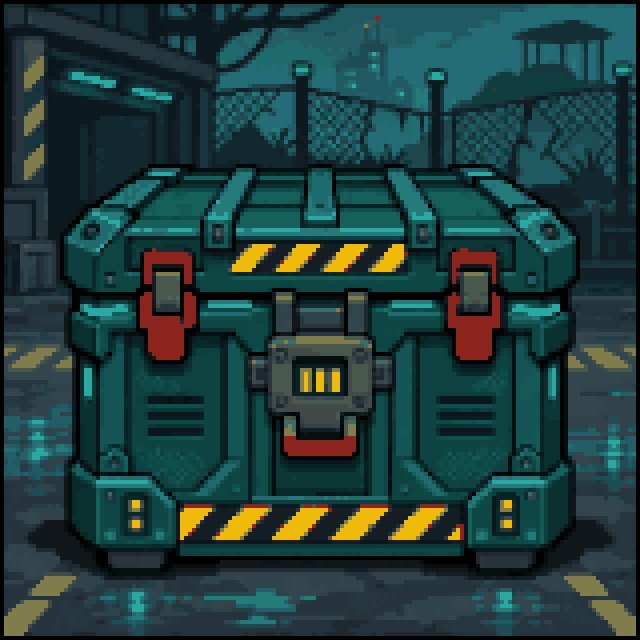
Hazard-striped evacuation crates were supposed to carry animals out during a flood. Now they are the only clean way back in. Each crate holds one animal from a single shared deck of 7,777, shuffled once and sealed to a public hash; opening the latch creates a living collar ID and counts as a mint. The first crate opened by any wallet is free, because even the emergency protocol understood that no one should pay to begin a rescue. Every mint issues $PATCH repair scrip: 20 for the free first mint and mints #2-10, 30 for #11-20, and 50 for #21-30.
The booth's price ladder is equally stubborn: mint #1 is free; #2-10 cost 0.0002 BNB each; #11-20 cost 0.0004 BNB; #21-30 cost 0.0008 BNB. No wallet may take more than 30. A keeper can also pay 100 $PATCH per animal for up to 3 token mints per wallet, and those count toward the same 30. Burning a collar returns the $PATCH held in its repair escrow: 20 for Common, 50 for Rare, 120 for Epic, and 300 for Legendary. Divine collars cannot be burned.
Three same-rarity Common, Rare, or Epic collars plus 50, 100, or 200 $PATCH can be welded into one collar of the next rarity. Deep in the Ark Server, 77 Divine dossiers wait outside the shared deck; redeeming one costs 1,500 $PATCH, and each of the 77 is a one-of-one. The 277 Legendary animals are one-of-one palette variants of five legendary bases, not copies in a crowd. Finally, a blue-check verified account on X may claim one free animal, once per X account and once per wallet, without using the 30-mint cap and without receiving $PATCH.
VISITOR SERVICES / POSSIBLY HELPFUL
The official report says accident. The unofficial report says the Keeper sneezed on a root terminal. What we know is this: at 03:17 every enclosure opened, 7,777 animals found the exits, and the emergency animal-control budget paid for exactly nothing. The animals are still treating the breach as a work order.
A crate is not a shelf full of blind boxes; it is an evacuation container with a living passenger. Popping the latch registers one animal drawn from the shared 7,777 deck and issues a collar ID. The deck was shuffled once and sealed to a public hash, so nobody can swap the cards mid-draw. The first crate in any wallet is free; later crates follow the maintenance price ladder.
Patch is the zoo's repair scrip. Minting earns it. It pays for token rescues, upgrades, and Divine redemption. Retiring a collar returns the Patch held in its escrow. It is not applause with a ticker.
No. Burning retires the public collar and duty identity; the animal slips back into the network as a rumor nobody can verify. The $PATCH held in the collar's repair escrow returns by rarity: Common 20, Rare 50, Epic 120, Legendary 300. Divine collars do not burn. The archive insists this is called leaving the job, not disappearing.
Three same-rarity Common, Rare, or Epic collars plus 50, 100, or 200 $PATCH weld three field files into one collar of the next rarity; only those three tiers can merge upward. Divine skips the welding bench and goes through the Ark Server: 1,500 $PATCH redeems one of 77 root-level dossiers. The 277 Legendary animals are each a unique palette variant across the five legendary bases.
Only an X Blue Verified account can claim it. The limit is one free animal per X account and one per wallet; the claim does not use the 30-mint cap and does not pay $PATCH. It is the one line in the ledger with no processing fee, but the post and the signed claim still have to be filed. Even a disaster needs paperwork.